Industrial Design
Physical products designed with purpose.
Industrial design taught me to consider form, behavior, materials, manufacturing, and human interaction as parts of one connected system. These selected projects explore how physical products can respond to everyday habits, technical constraints, and changing environments.
Across lighting, wearable systems, public furniture, and home organization, I used research, sketching, CAD, prototyping, and testing to move from observed problems to tangible design solutions.
LCVG Vent Duct Extension
Extending astronaut ventilation while preserving mobility and comfort.
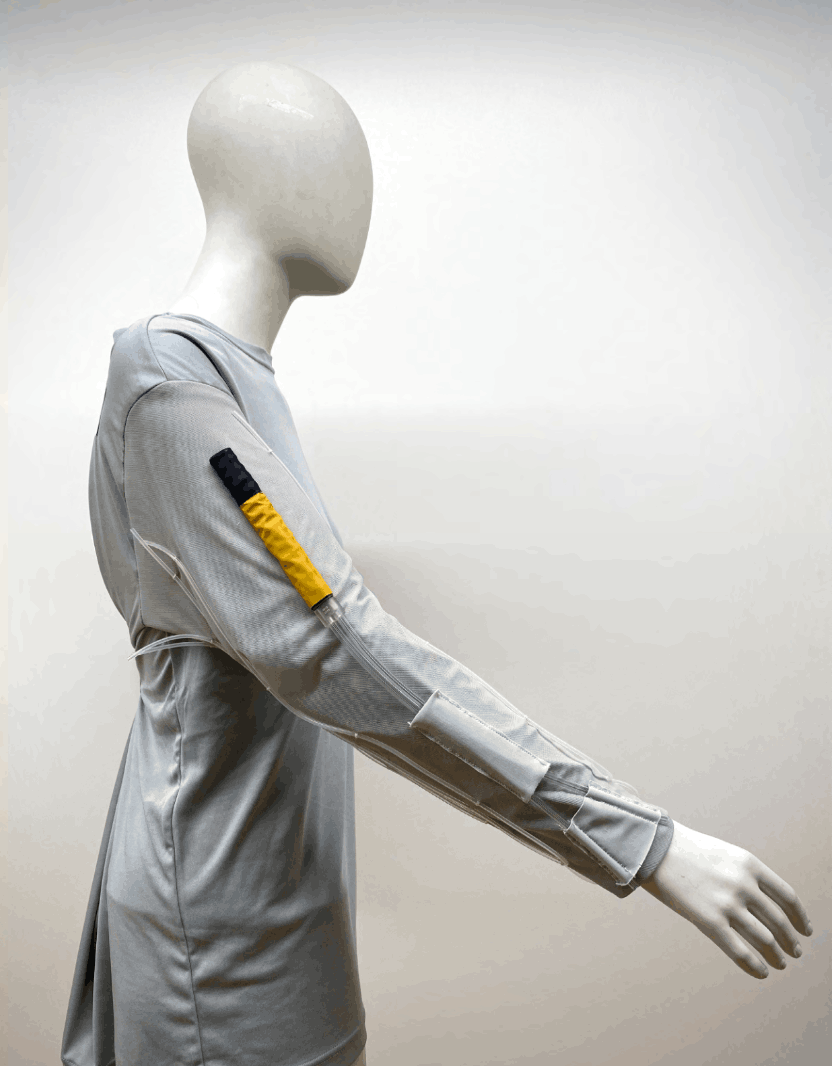
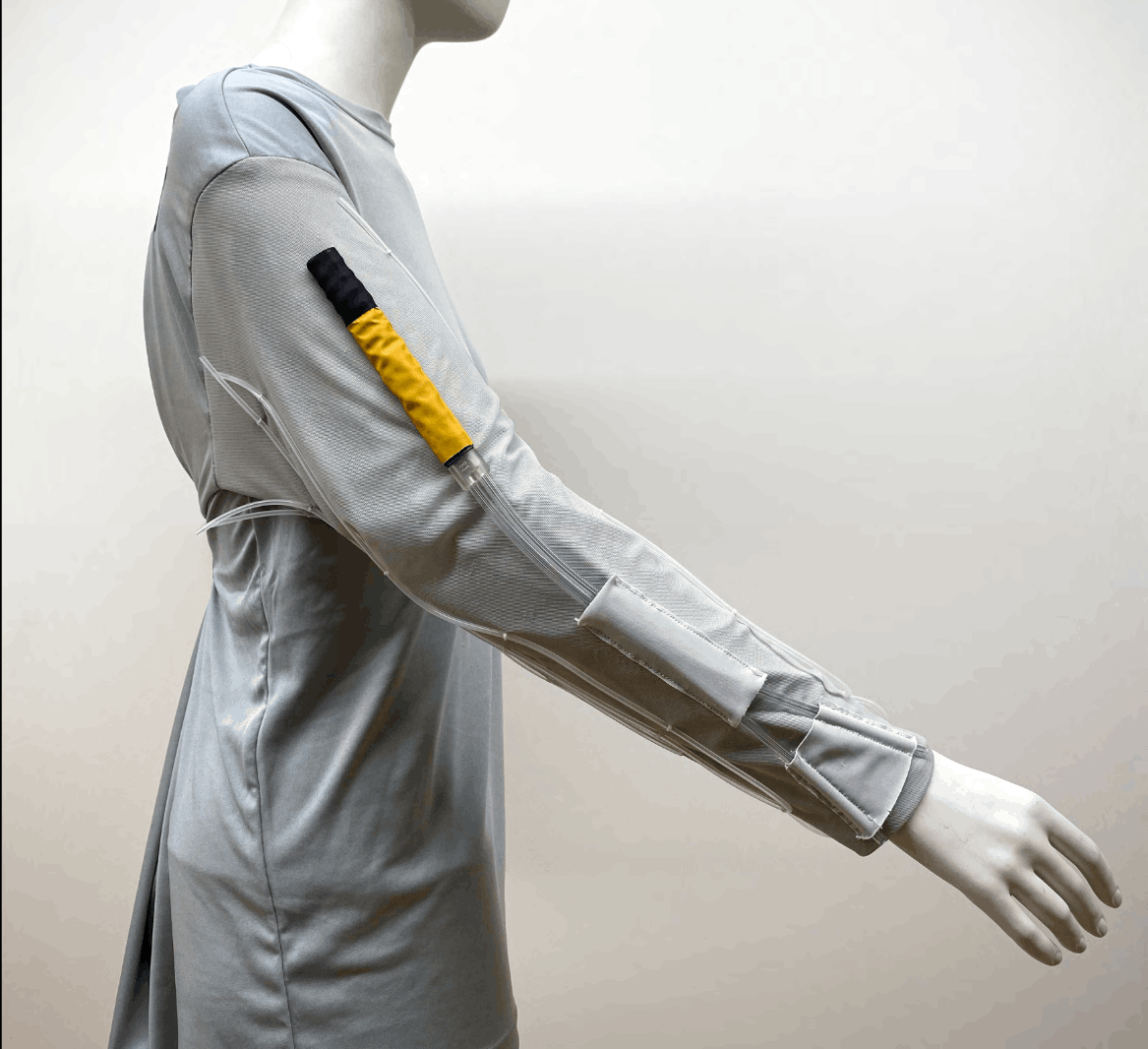
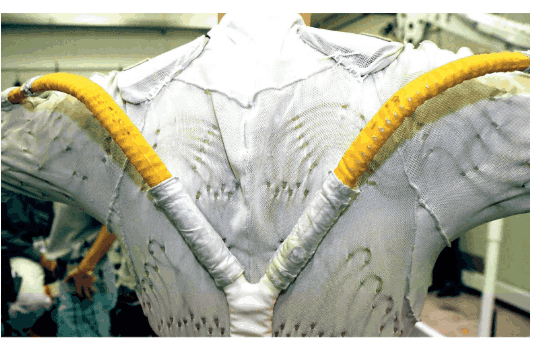
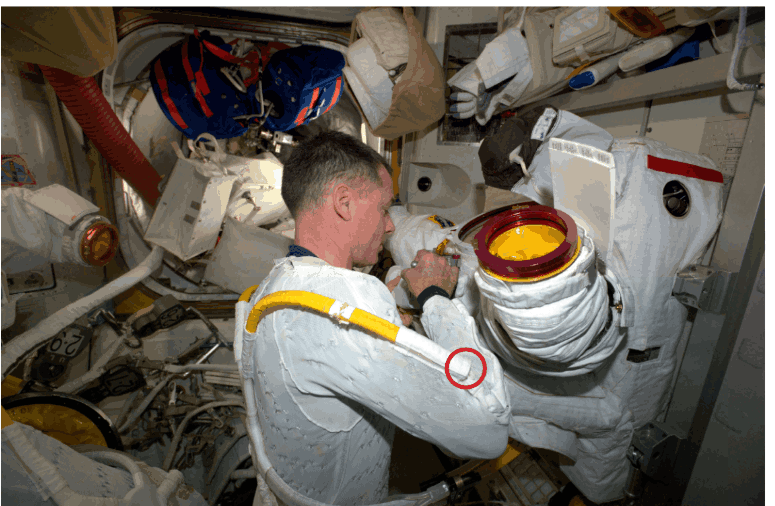
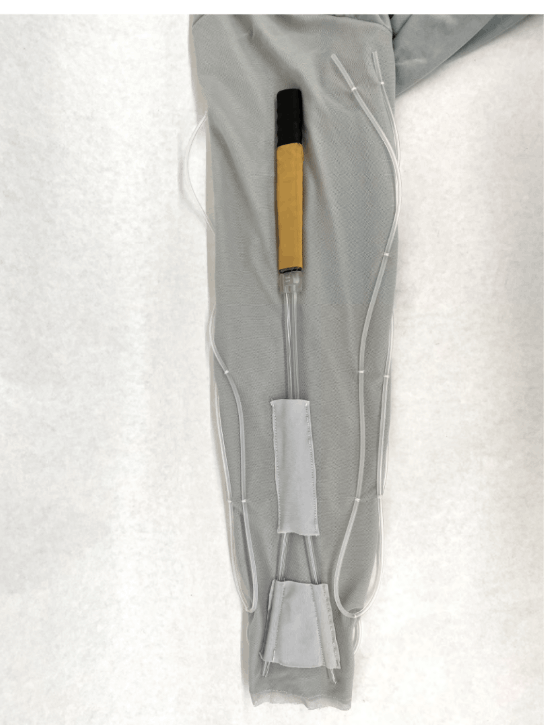
The Liquid Cooling and Ventilation Garment helps regulate astronauts' temperature and humidity inside the spacesuit. Changes to the glove system shortened the existing ventilation duct so that it ended near the elbow, reducing airflow to the wrist and glove cavity.
Our team explored how the duct could extend toward the wrist without interfering with movement, water-cooling tubes, garment construction, or the process of putting the suit on and taking it off.
The constraint
Concept exploration
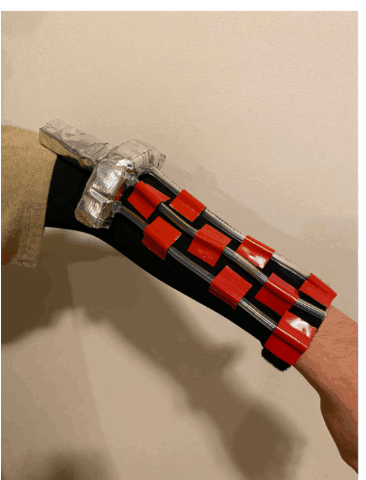
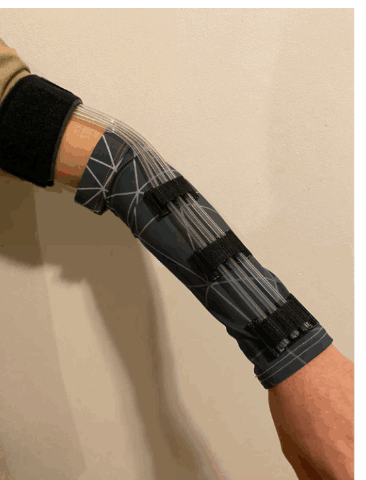
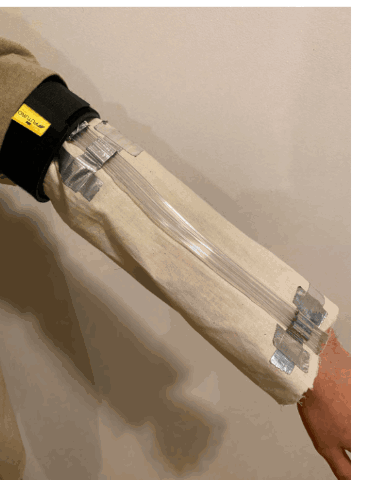
Three sleeve directions were prototyped and worn to compare comfort, organization, and freedom of movement.
Connector iteration
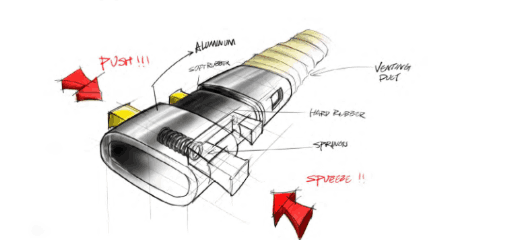
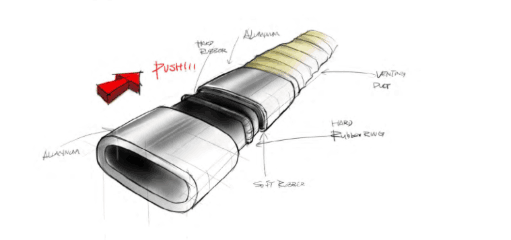
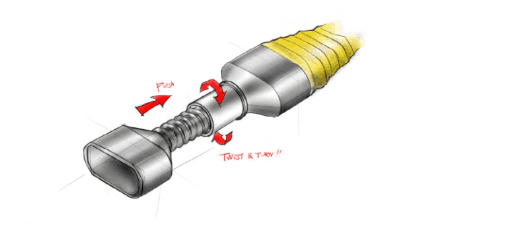
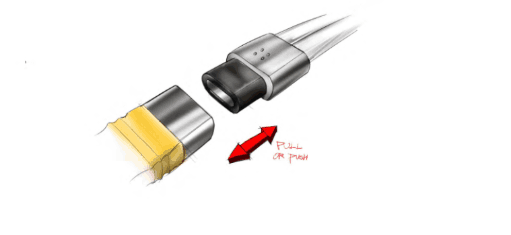
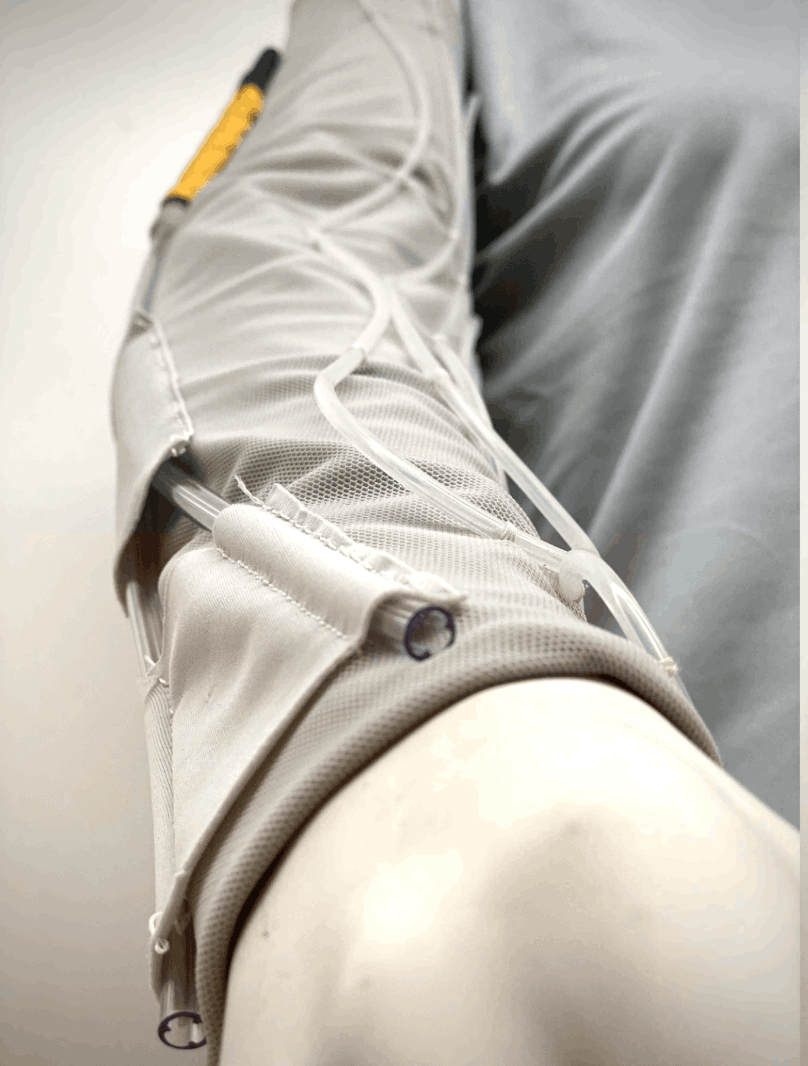
The duct-to-extension connector progressed through four working directions before settling on a compact opening combined with a flexible sealing interface.
Final refinement
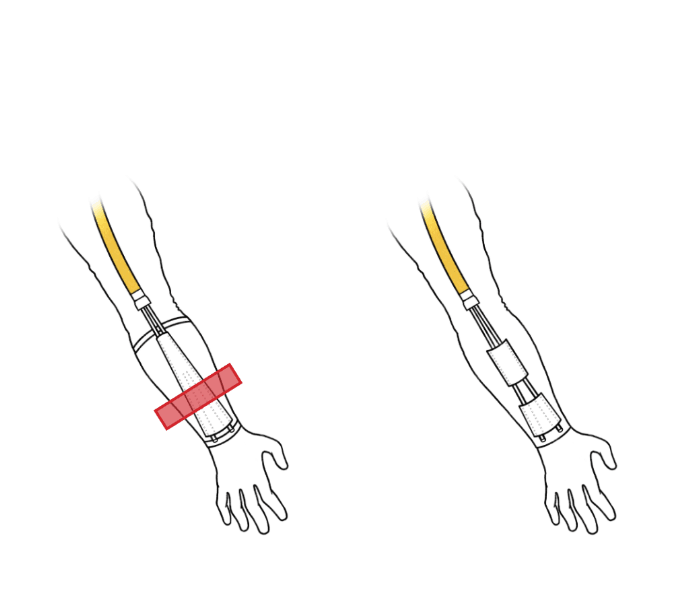
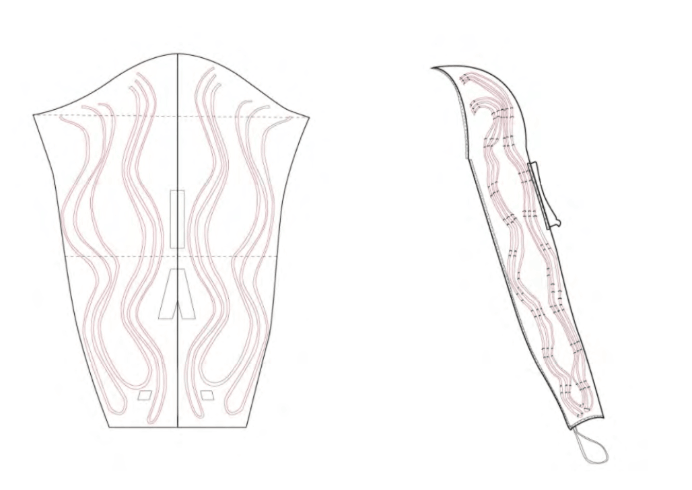
Testing revealed that the extension repeatedly caught inside the original continuous tube holder. Dividing the holder into separate sections created a clearer insertion path and reduced interference.
A garment mock-up based on the existing LCVG tube layout was used to identify safe sewing zones and avoid the water-cooling microtubes.
User testing
The prototype was evaluated across different arm lengths and positions — straight, bent about 45°, and bent about 90° — to observe fit, movement, bunching, connector placement, and interference.
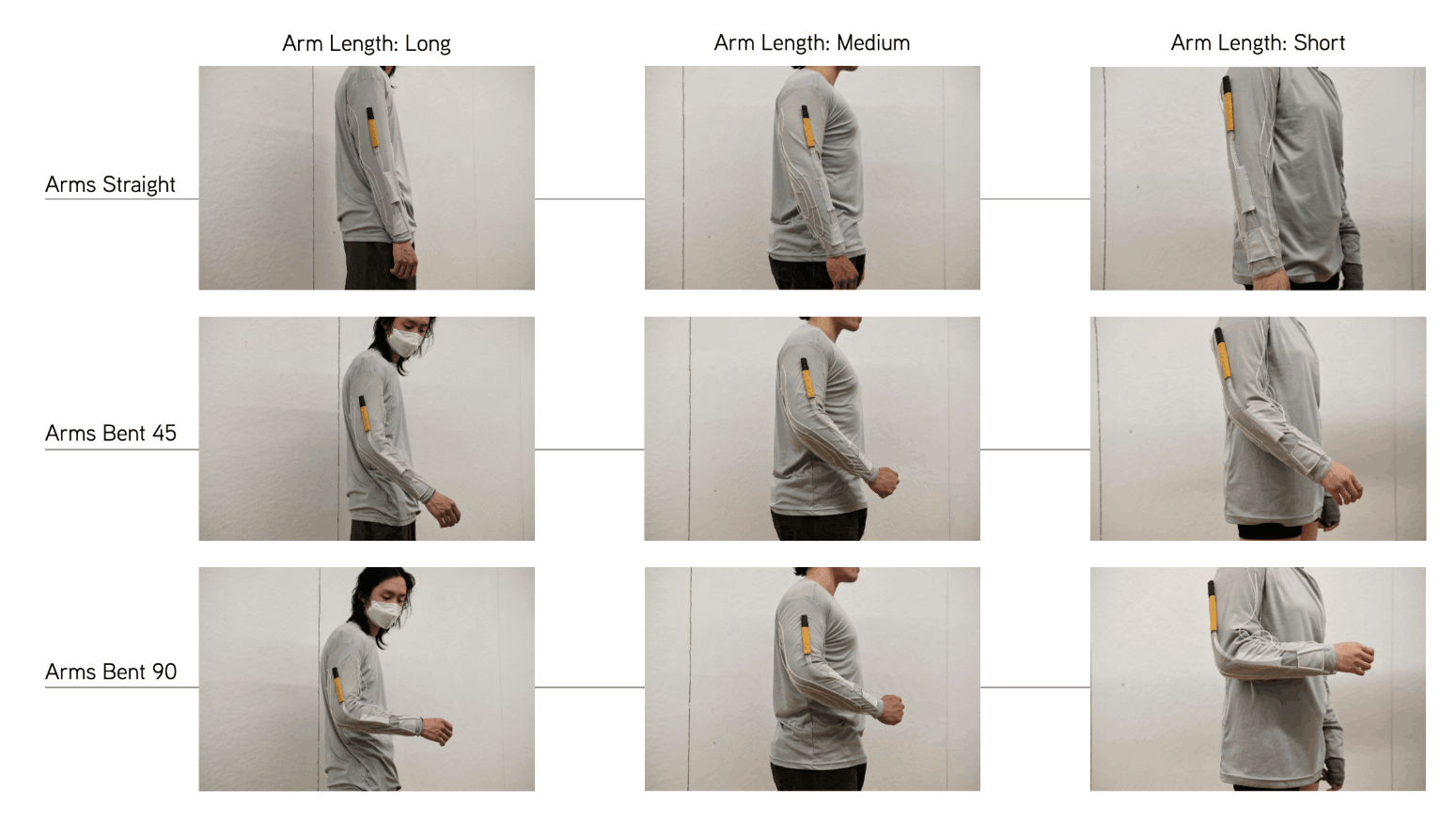
The final direction integrated a low-profile sleeve, separated tube holders, and a compact removable connector. The project demonstrated how wearable systems must balance airflow, garment construction, movement, assembly, and user comfort simultaneously.
This project strengthened my ability to design within an existing technical system rather than treating the product as an isolated object. Every change affected mobility, garment construction, airflow, assembly, and maintenance.
Laundra
A home organization system for clothes that are not clean—but not ready to wash.
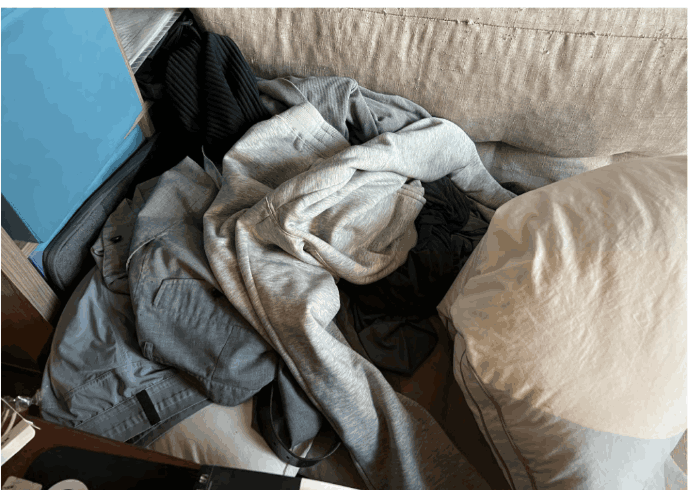
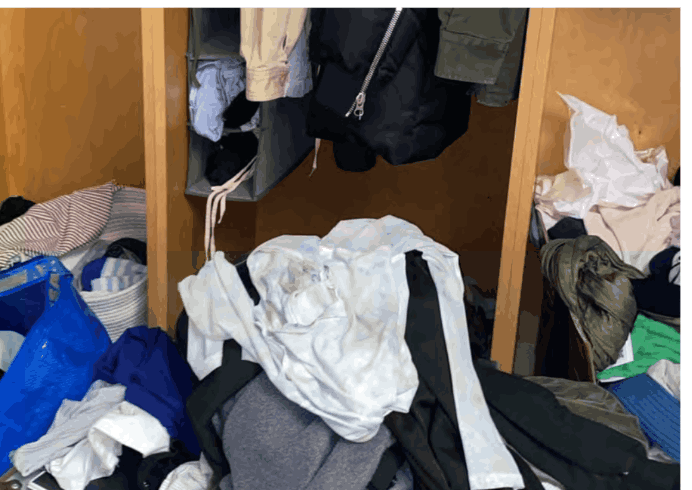
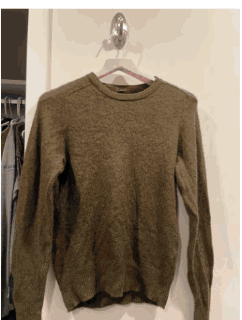
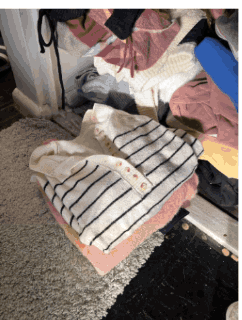
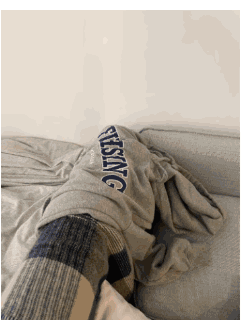
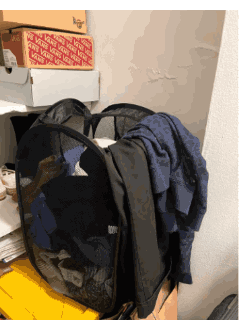
Many people wear garments more than once before washing them, but most bedrooms provide only two clear storage states: clean clothes in the closet and dirty clothes in the hamper. Without a dedicated place for the in-between category, repeatedly worn garments accumulate on chairs, beds, closet doors, and hamper edges.
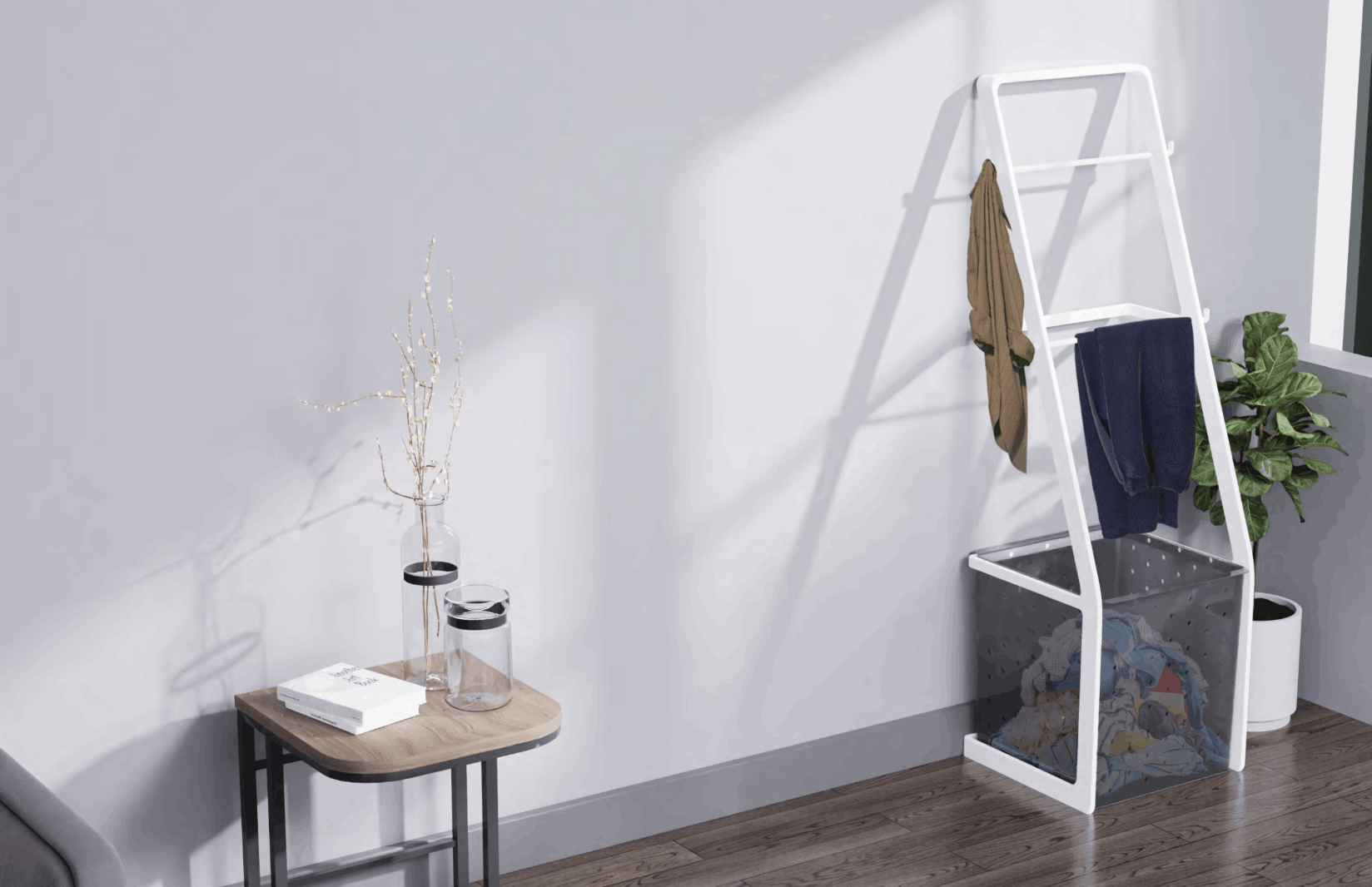
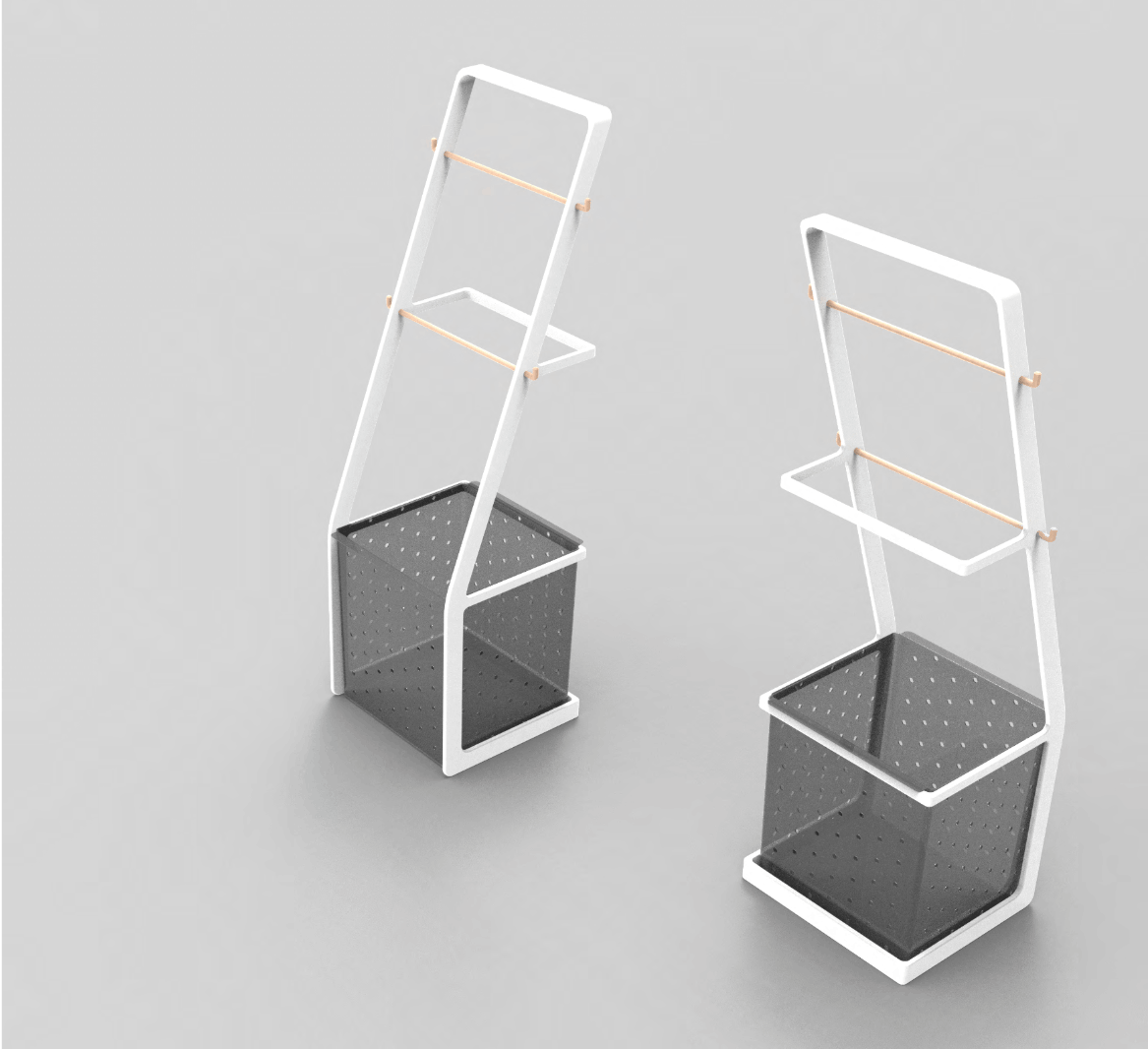
Laundra combines a rewear rack and laundry hamper into one compact system.
Observed behavior
The problem was not simply "messy users." Existing storage products did not support the way people actually sort clothing between wears — so garments landed on furniture, closet surfaces, hamper edges, and improvised bags.
Research
Surveys and home observation focused on washing rhythms and where the in-between clothes actually go.
- —Different garment types have very different washing cycles
- —Many garments are worn several times before washing
- —Participants developed improvised separation systems
- —Common temporary locations included sofas, closet edges, hamper sides, and bags placed inside hampers
- —Participants believed clearer separation could help reduce unnecessary washing
- Once a week · 56.6%
- Once every two weeks · 18.9%
- Every once in a while · 13.2%
- Twice a week · 11.3%
Chart recreated from the original survey. Participants believed separating wash-ready clothes from rewearable ones could reduce how often they need to do laundry.
How might we create a clear and intuitive place for clothing that can be worn again, while keeping it separate from laundry that is ready to wash?
Concept directions
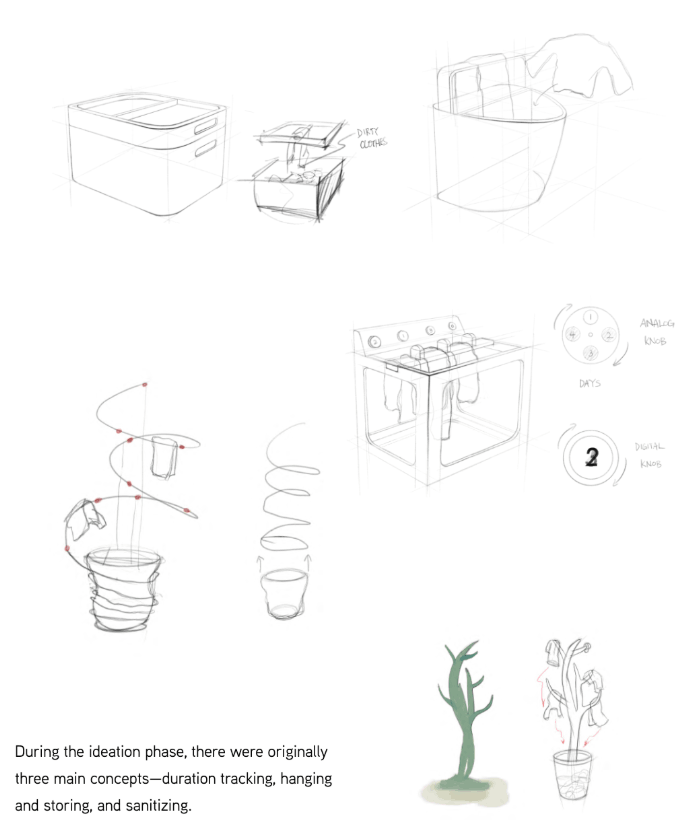
Ideation began with three directions. Hanging-and-storing best addressed the observed behavior without introducing unnecessary technology.
Duration tracking
Track how long each garment has been worn.
Hanging and storing
Give rewearable clothes a visible, dedicated place beside the hamper.
Sanitizing
Refresh garments between wears with added technology.
Prototyping
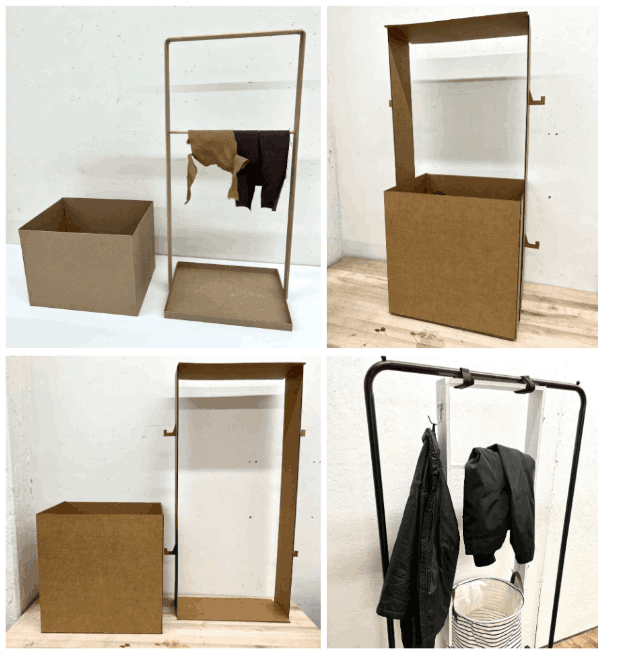
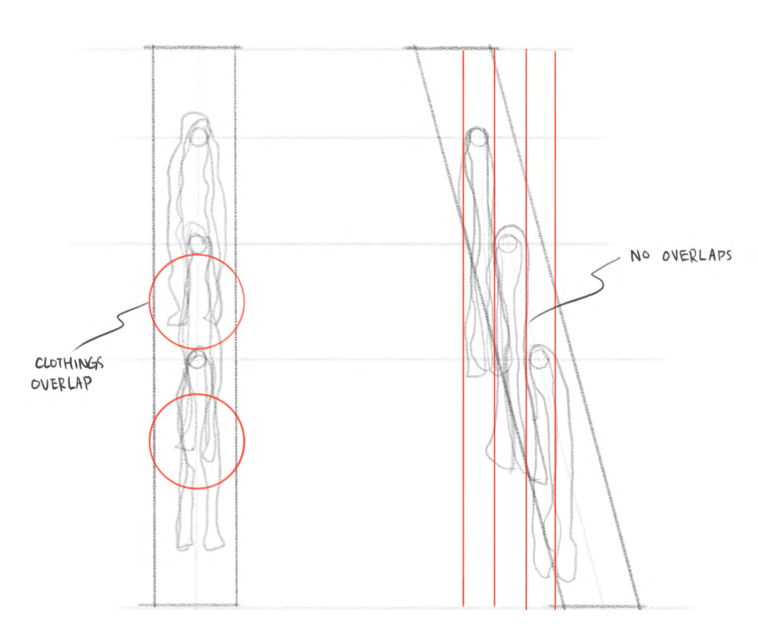
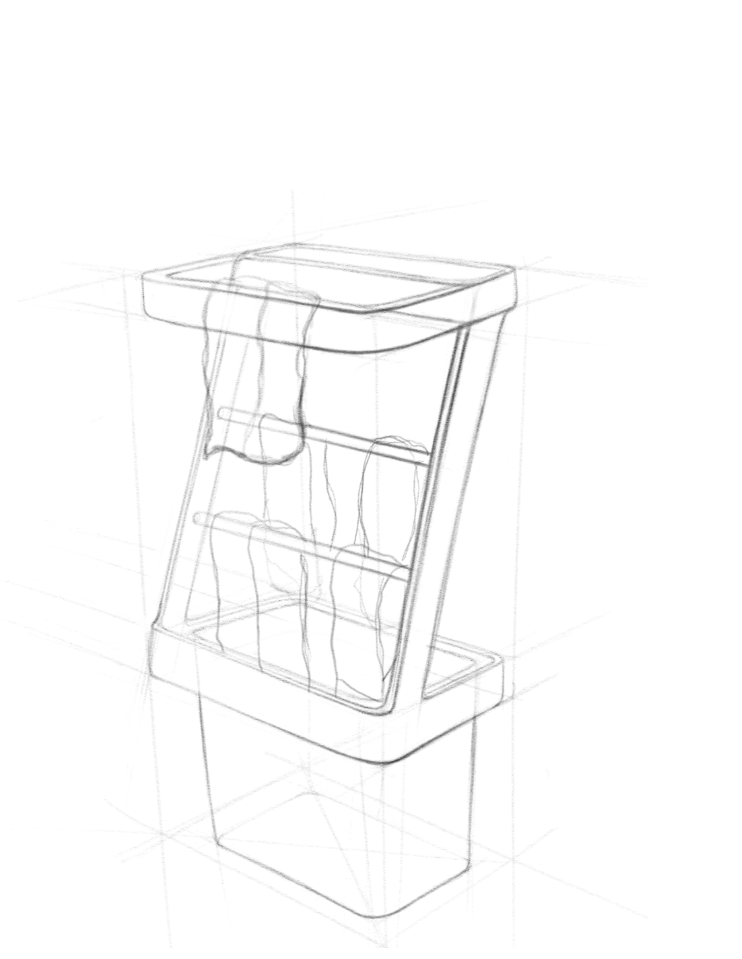
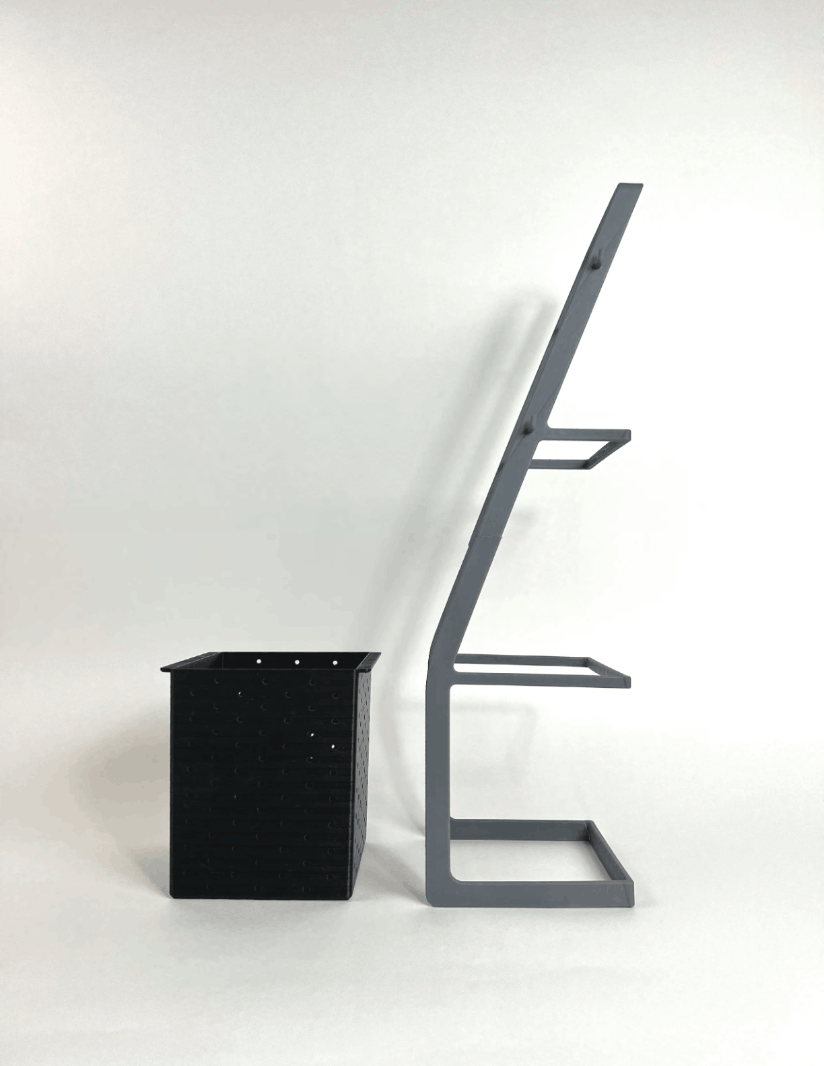
The concept progressed from a freestanding frame with a hamper base, through a side-hook variation and a closet-mounted hanging version, to a refined self-standing Z-frame. The offset Z-shaped structure allowed garments to hang at separate depths, reducing overlap and improving visibility.
Testing and refinement
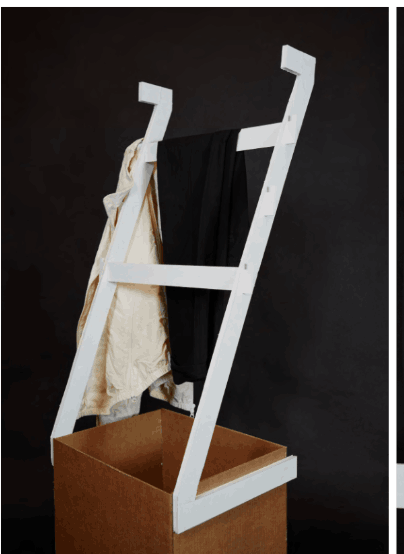
Testing showed that the concept appeared bulkier than its actual footprint and that the closet-hanging mode provided little value because the frame was already structurally self-supporting.
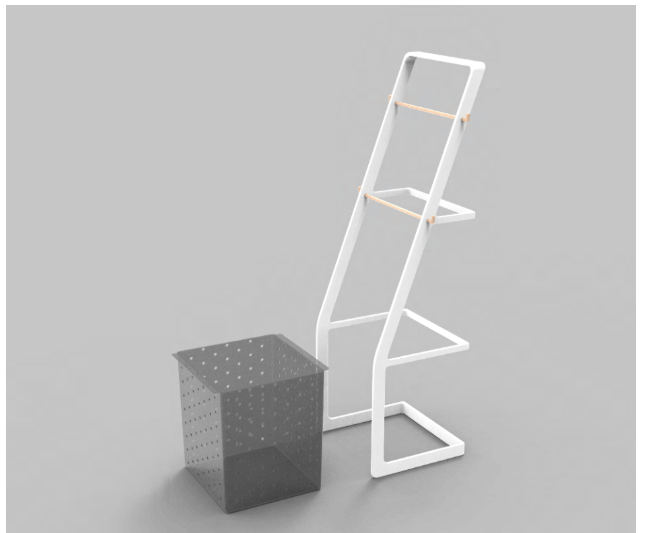
The design was refined into a freestanding system with fewer unnecessary components and a clearer relationship between the rewear rack and hamper.
Materials and manufacturing
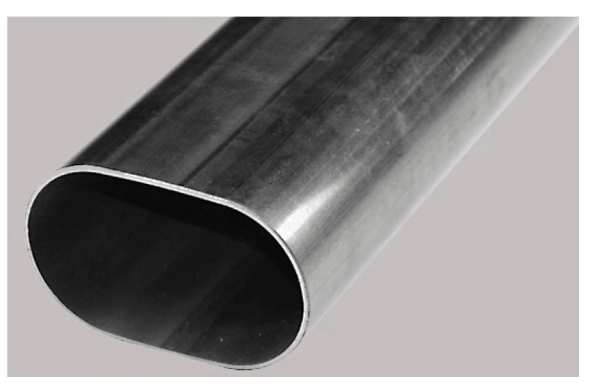
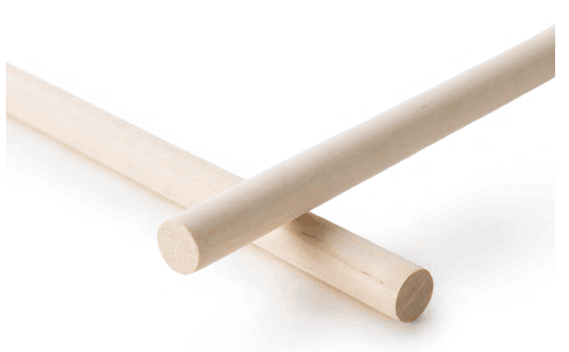
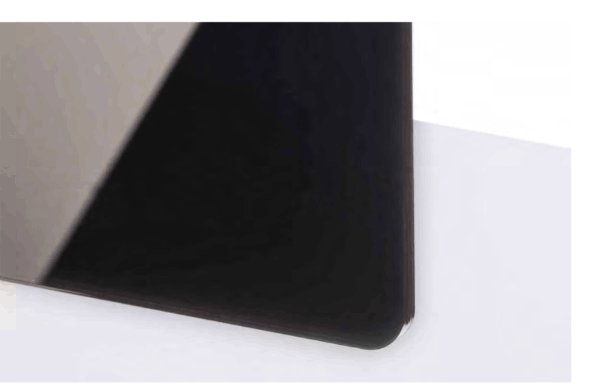
Proposed construction keeps the system simple to produce and ship: an aluminum flat-tube frame, wood hanging rods with softened chamfered ends, a molded polypropylene hamper, and semi-assembled flat-pack packaging.
Final design
The final concept creates three visible states within one footprint: clean clothing remains in the closet, reusable clothing hangs openly on the frame, and wash-ready clothing moves into the hamper below.
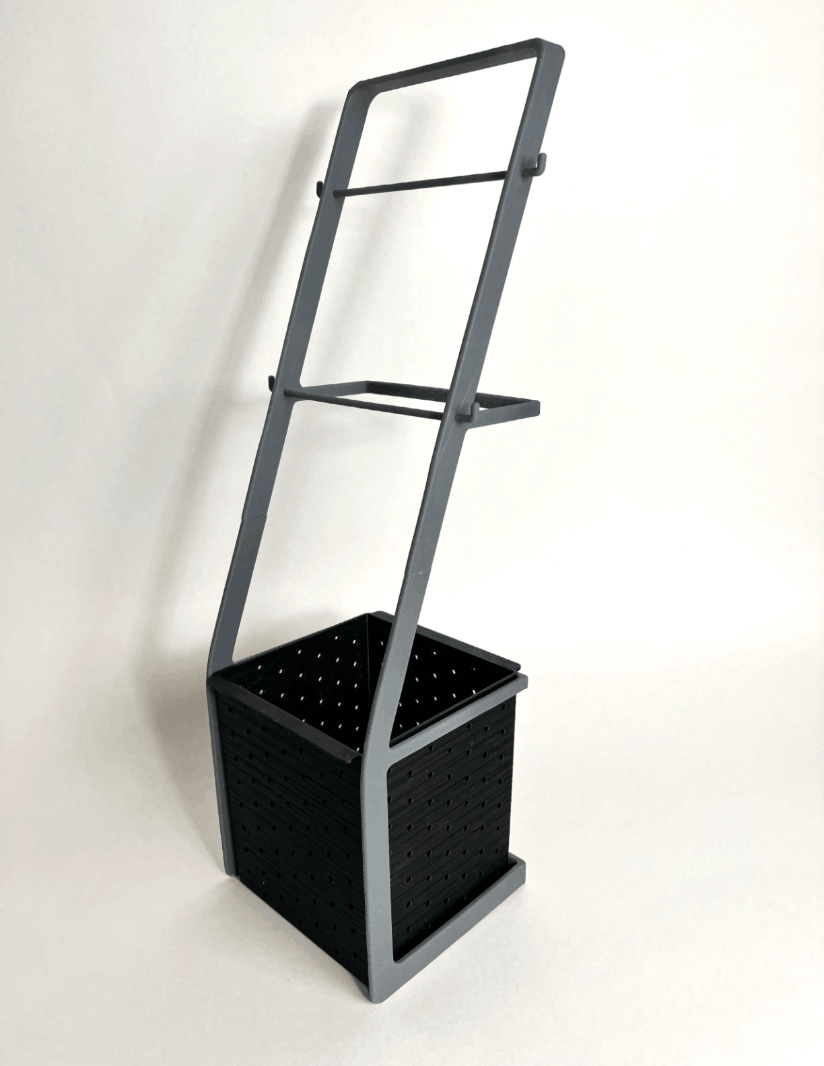
Laundra shifted the framing from "How do we make people less messy?" to "Why does the existing environment fail to support this behavior?" That change led to a simpler and more useful product direction.
Lumineo
A bedside lamp that becomes a portable nighttime flashlight.
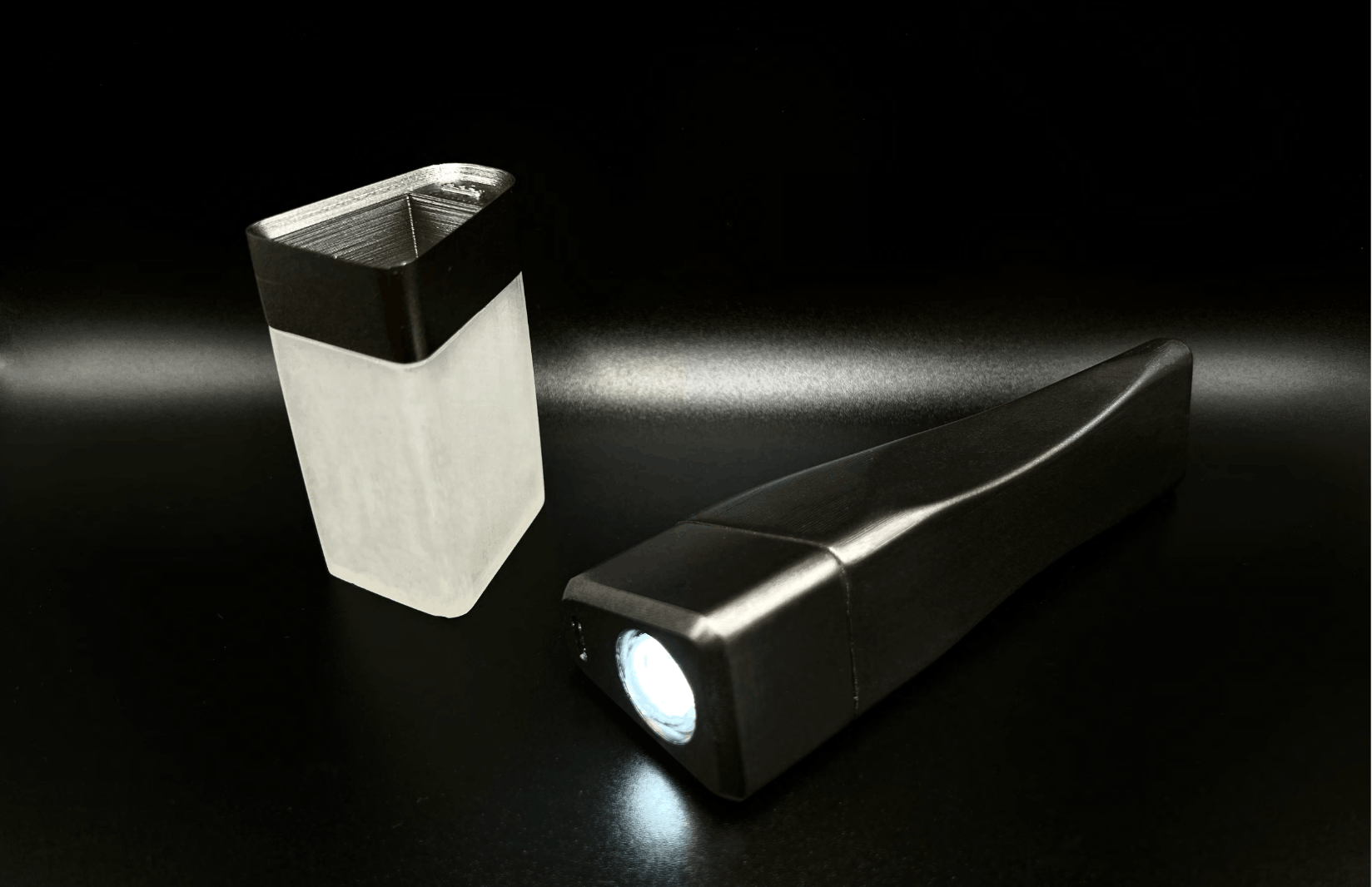
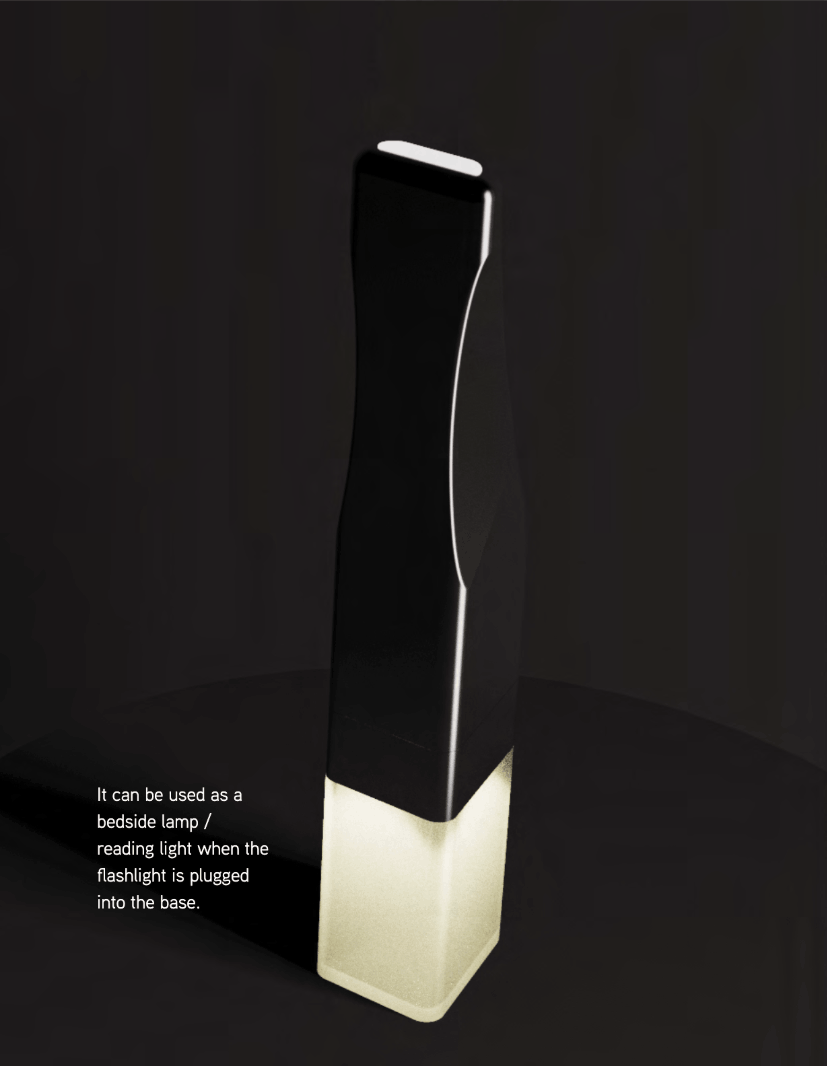
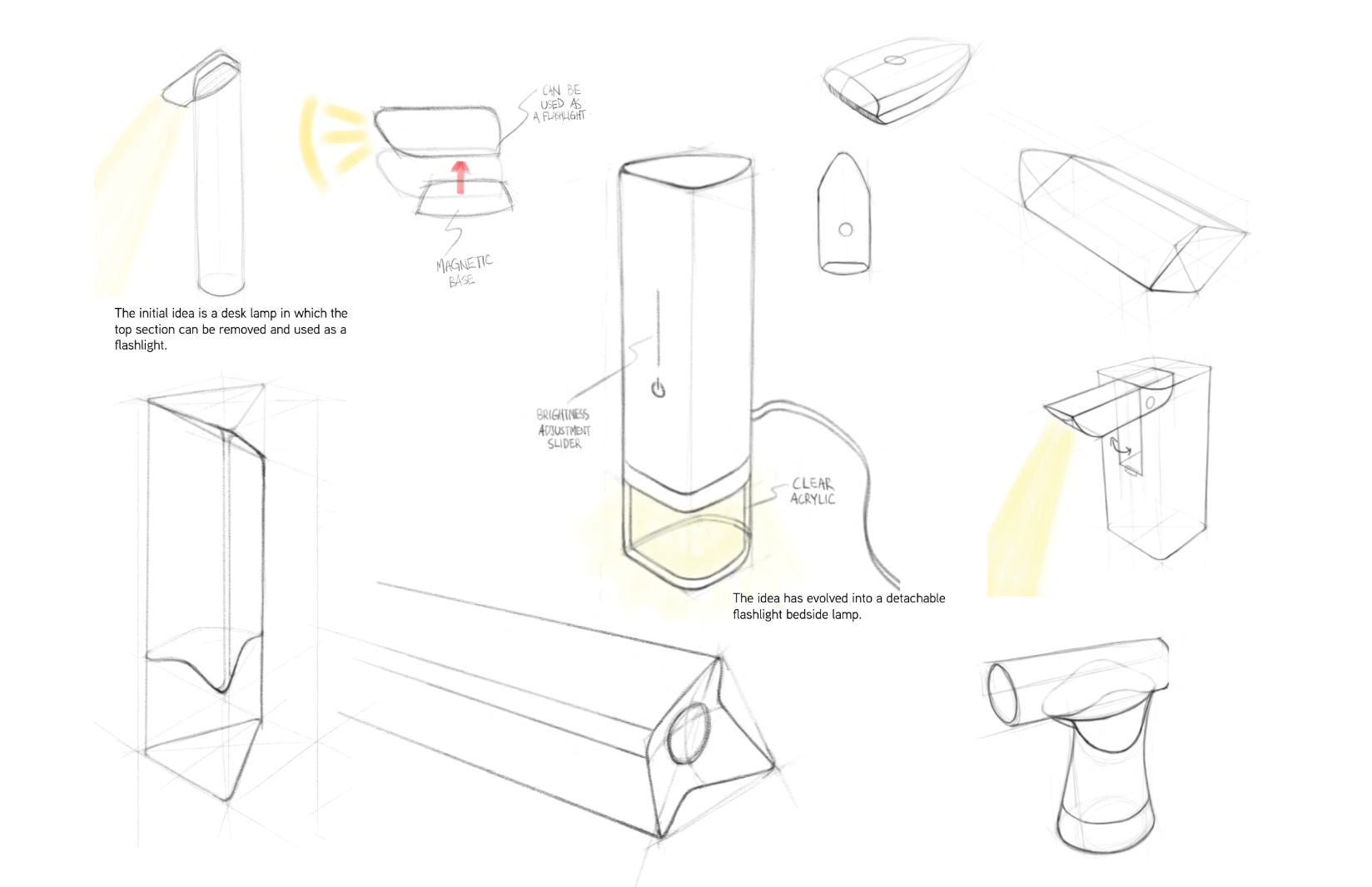
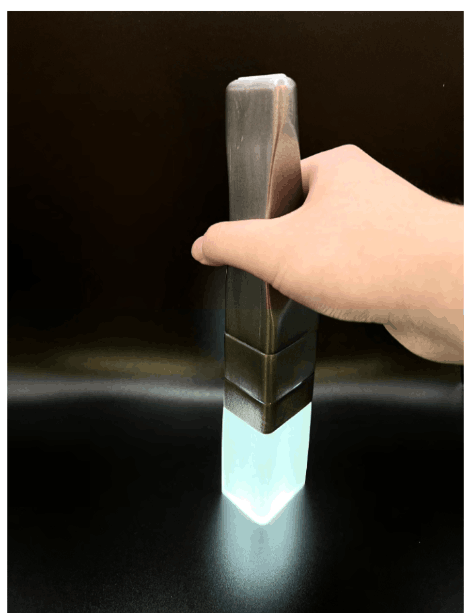
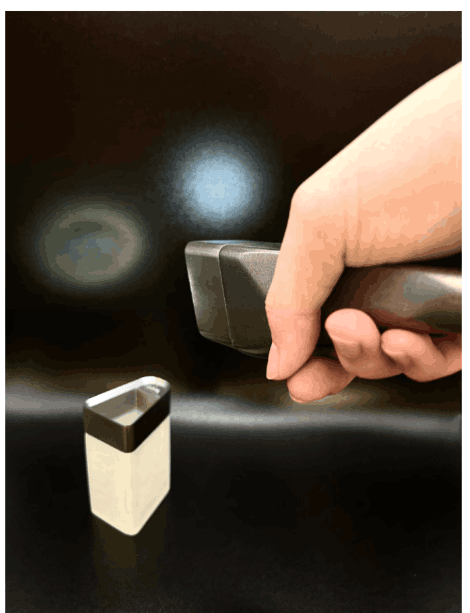
Turning on a full room light during the night can cause glare, disturb a partner, and make a short trip through the room unnecessarily disruptive. Lumineo combines ambient bedside lighting with a detachable flashlight that can be removed from its charging base when needed.
Product opportunity
Competitive review
The bedside category clustered into four groups. Most alternatives offered additional electronics, but few created a seamless transition between bedside lighting and portable nighttime navigation.
Smart bedside lamps
App control, adjustable color and brightness
Charging lamps
USB ports, outlets, and wireless charging pads
Speaker-lamp hybrids
Bluetooth audio combined with dimmable light
Portable torch lamps
Battery-powered lights that double as desk lamps
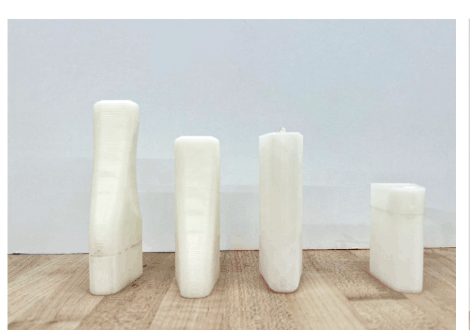
Form development
Physical prototypes were used to compare grip, proportion, reach, and orientation. User feedback favored the body with inward-curving side surfaces because it provided a clearer and more secure grip.
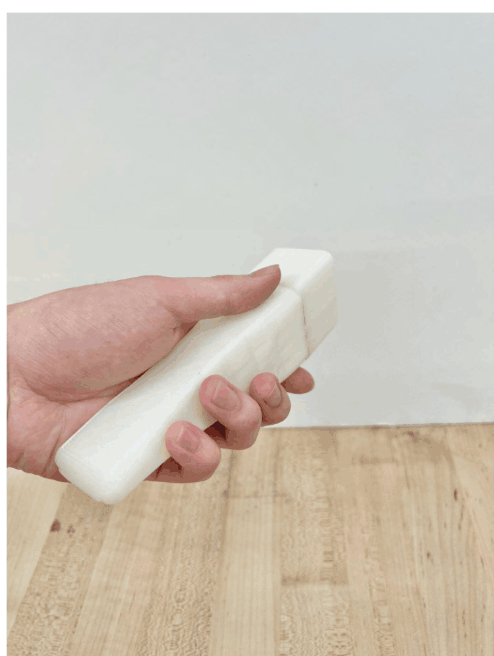
Interaction · Two states
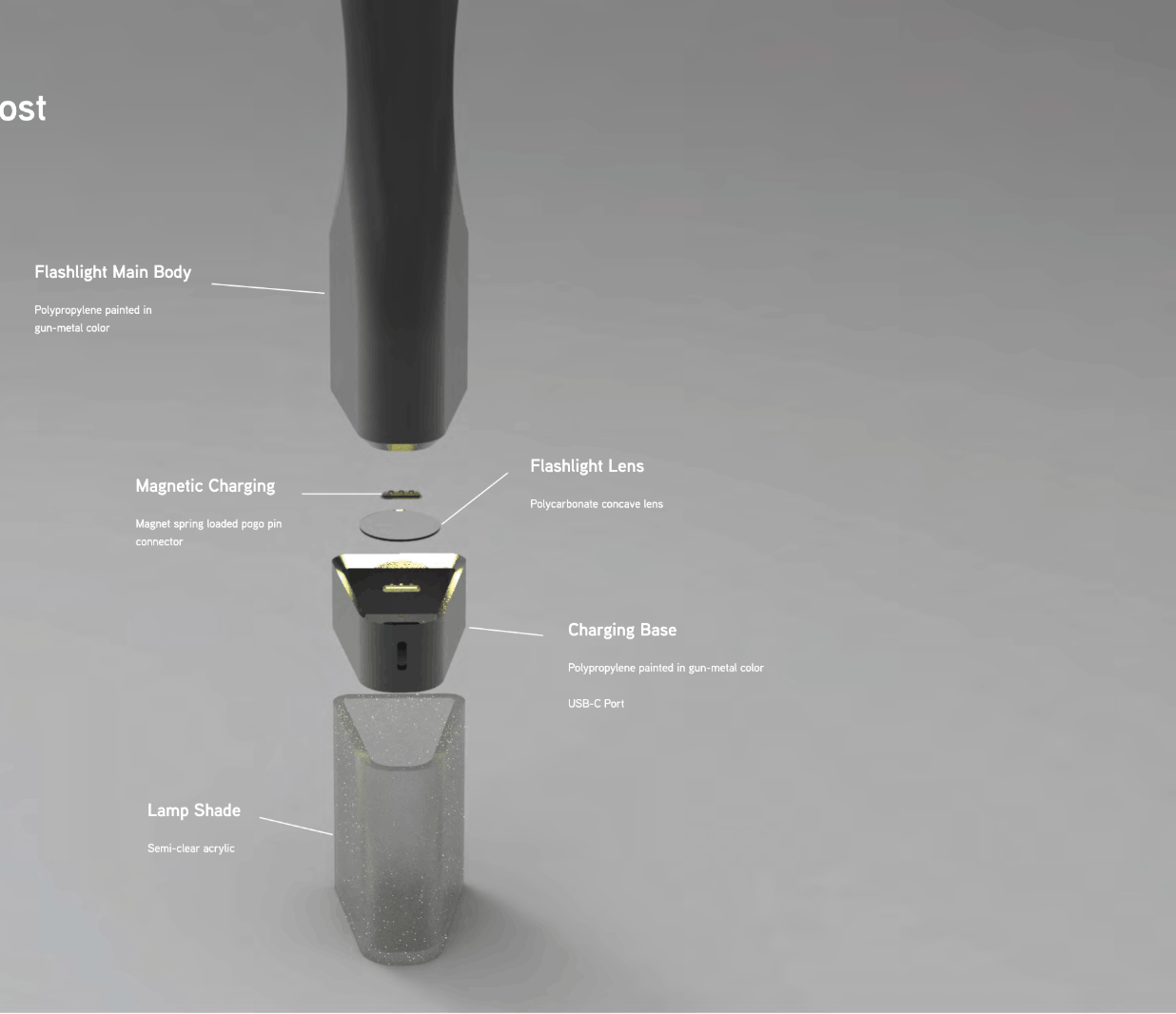
Material and construction concept
- —Polypropylene flashlight body
- —Semi-transparent acrylic lamp shade
- —Polycarbonate concave lens
- —Magnetic pogo-pin charging connection
- —USB-C charging base
Lumineo taught me that a multifunctional product should not feel like two unrelated objects combined. The transition between modes became the central interaction and the basis for the form.
Mediator
A modular public bench designed around flexible social distance.
Mediator was developed in response to the conflict between maintaining social interaction and following distancing requirements in shared public environments.
Rather than treating distancing furniture as temporary infrastructure, the project explored a modular bench system that could continue supporting different group arrangements after restrictions changed.
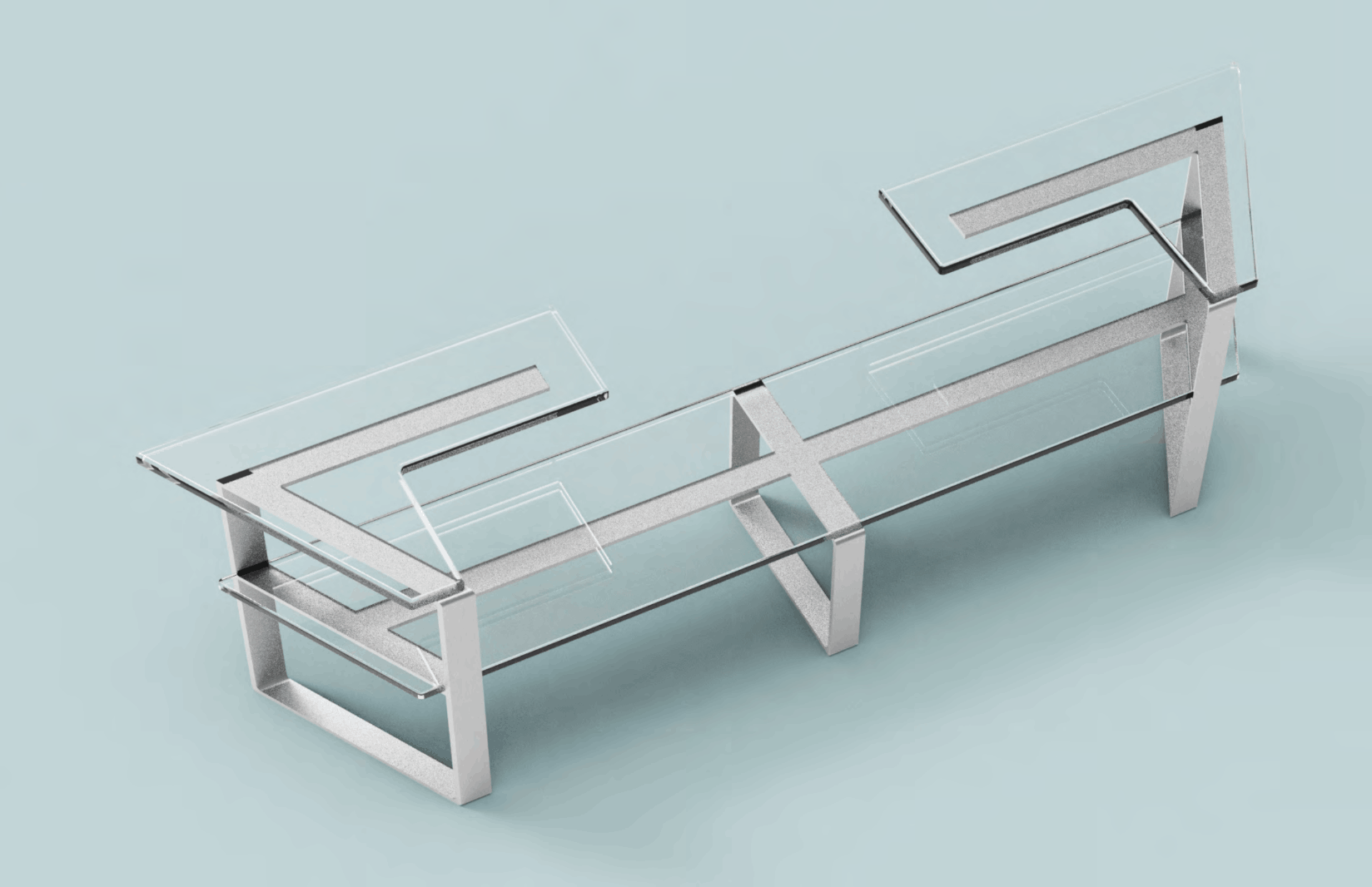
Inspiration and exploration
Precedent benches and sketching explored individual seating orientation, shared surfaces, separation without complete isolation, modular repetition, and different group configurations.
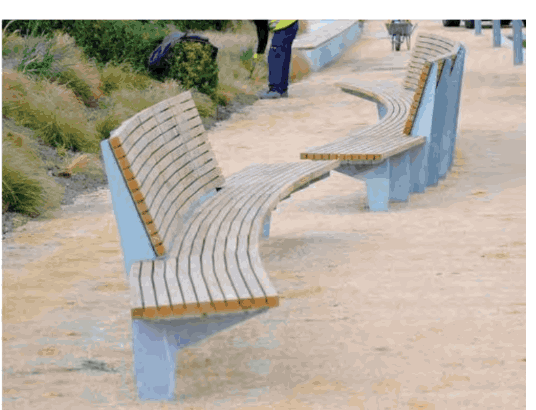
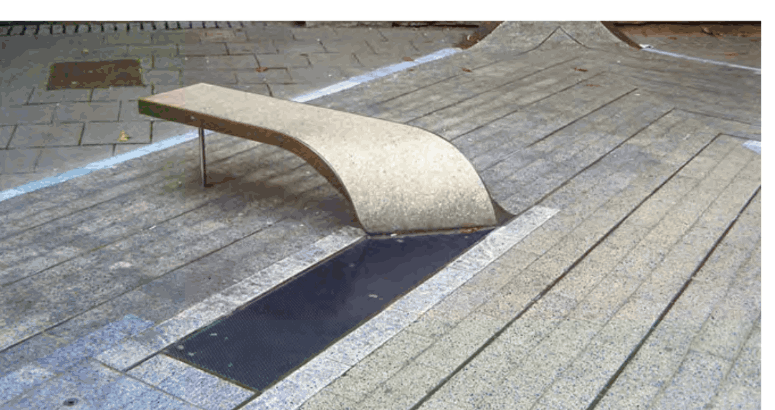
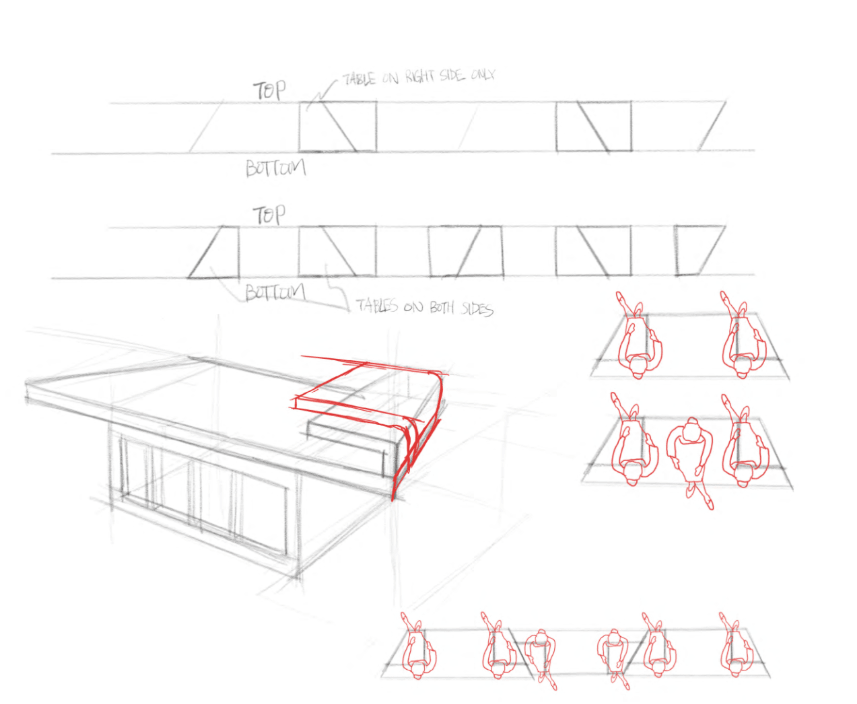
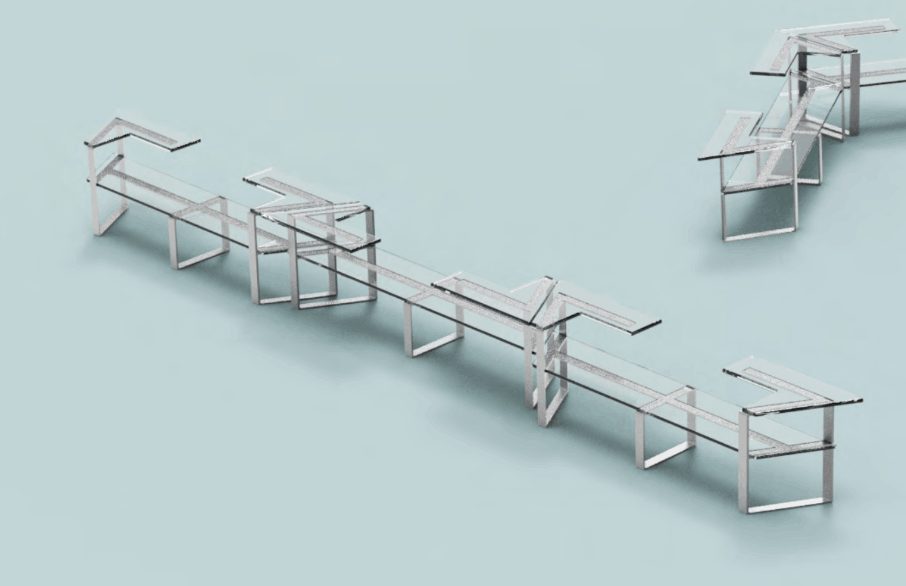
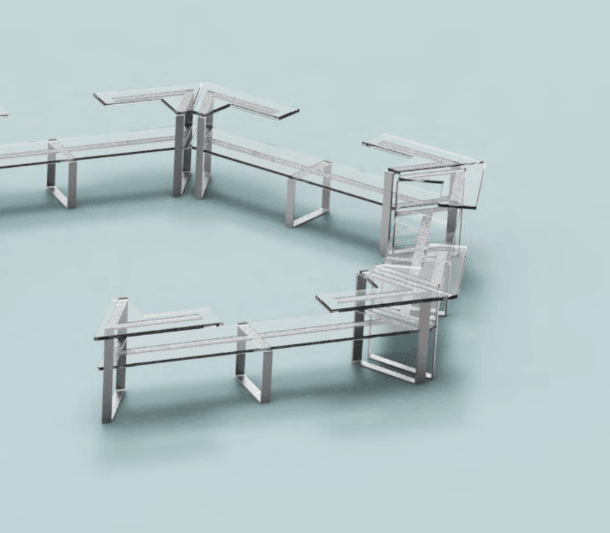
Modular arrangements
Spatial constraint
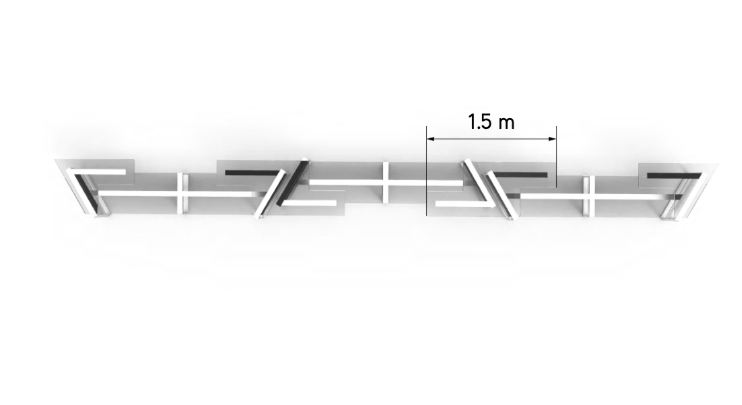
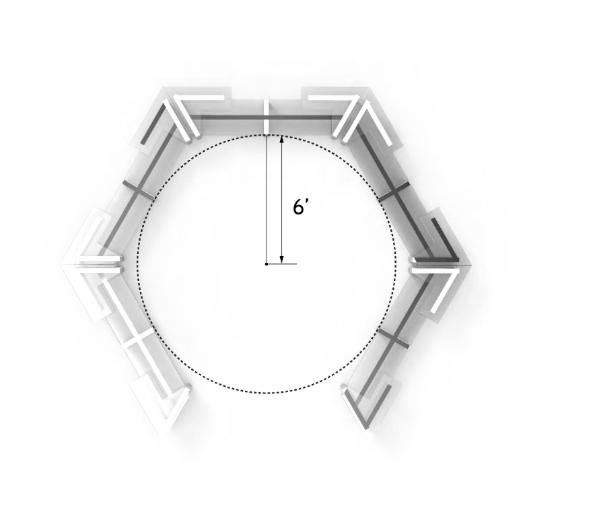
The seating geometry was developed around the distancing standards relevant to the project period — roughly six feet between individual positions in both the linear and circular formats.
Final concept
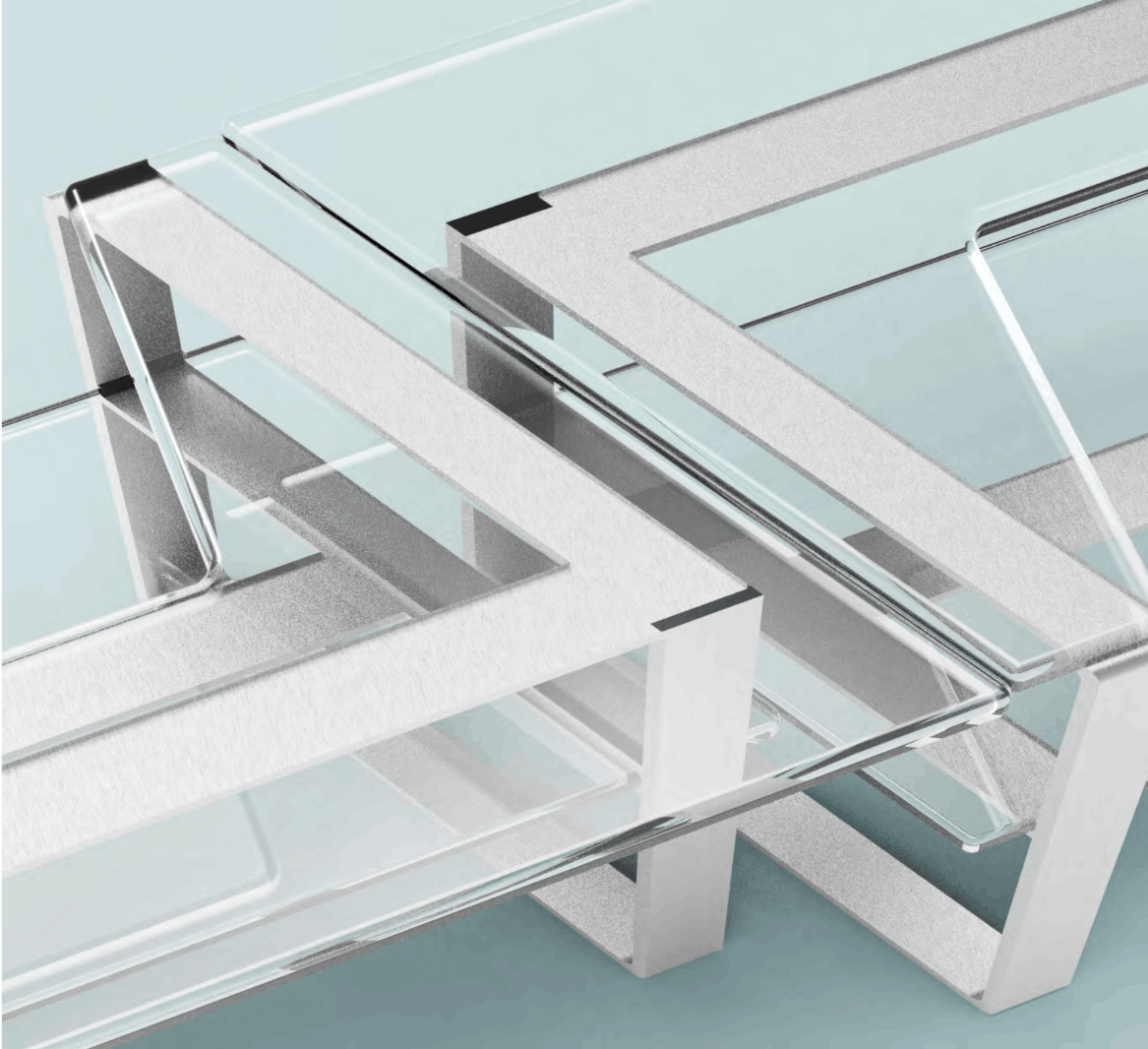
The final system uses mirrored seating positions and shared structural modules to create a bench that can be repeated, reversed, or arranged into different spatial patterns.
Mediator explored furniture as a spatial system rather than a single object. The project helped me think about how geometry, repetition, and arrangement influence social behavior at an environmental scale.
Other explorations
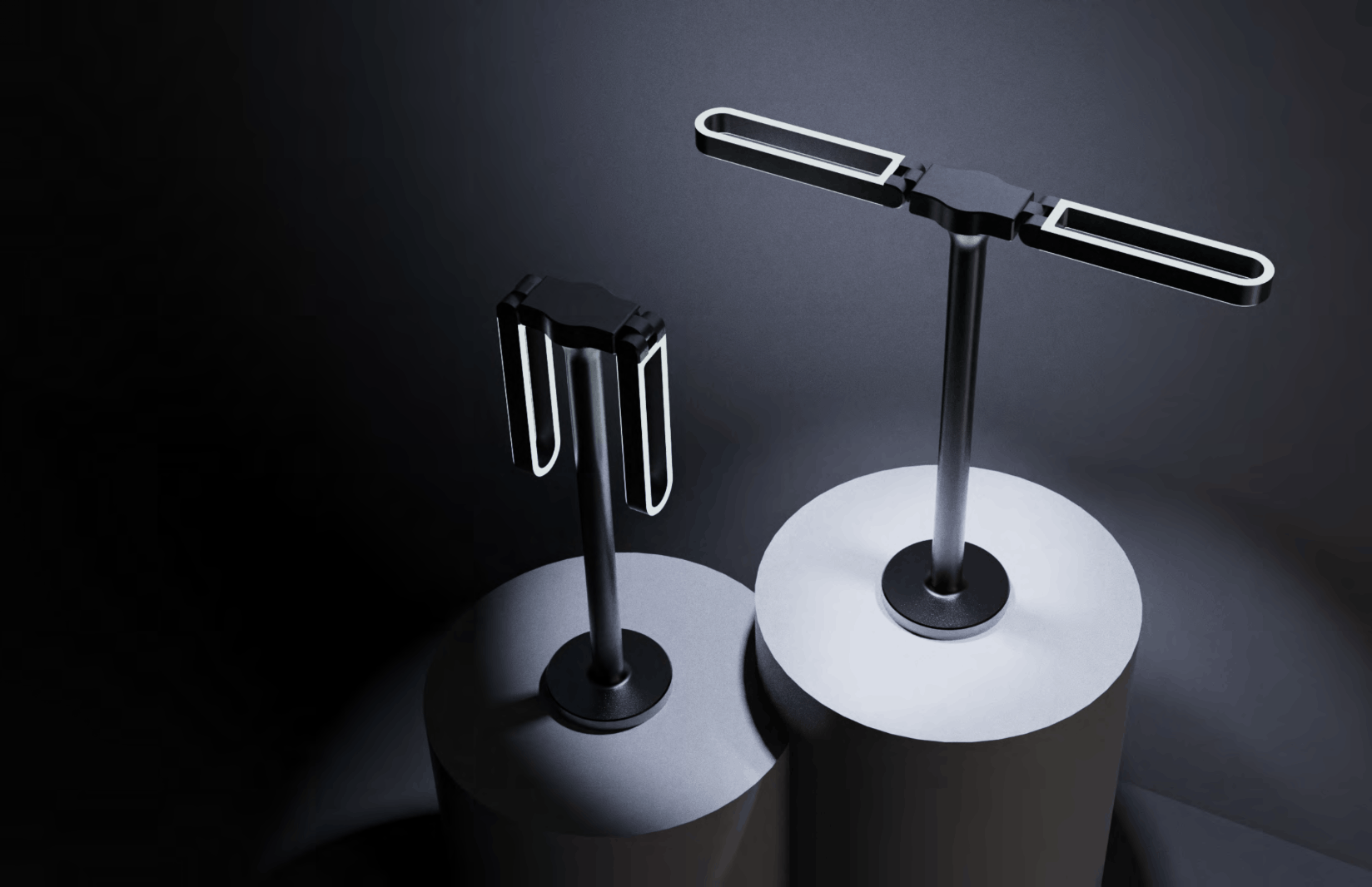
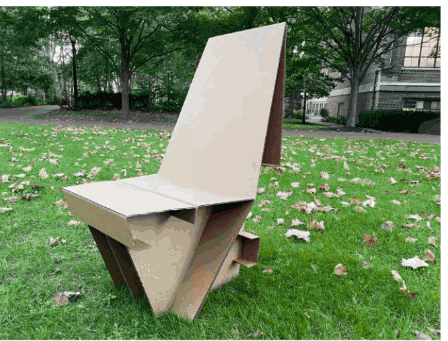
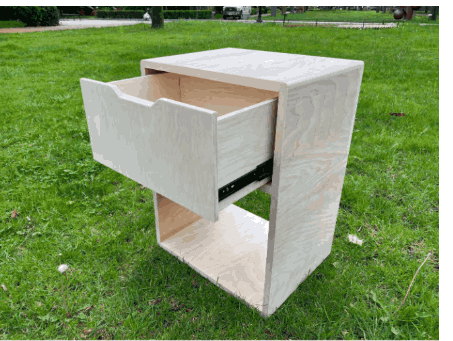
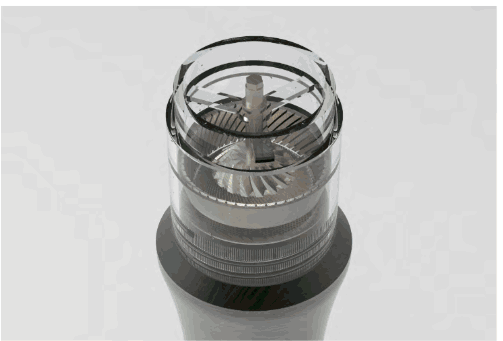
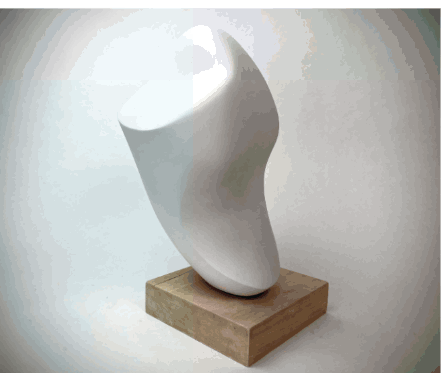
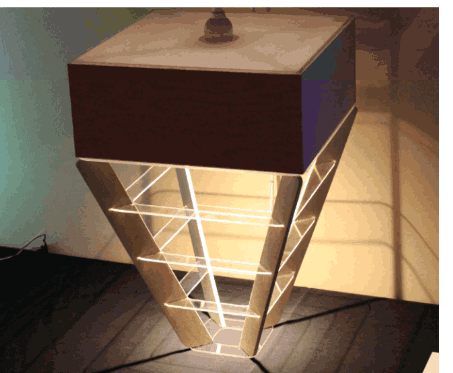
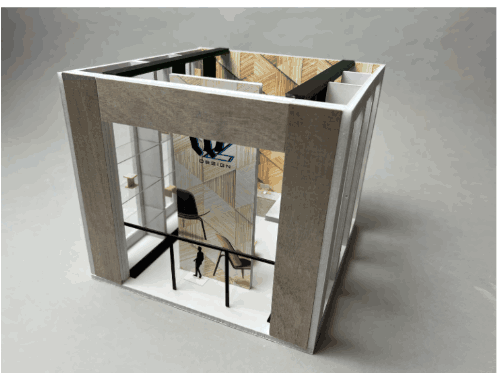
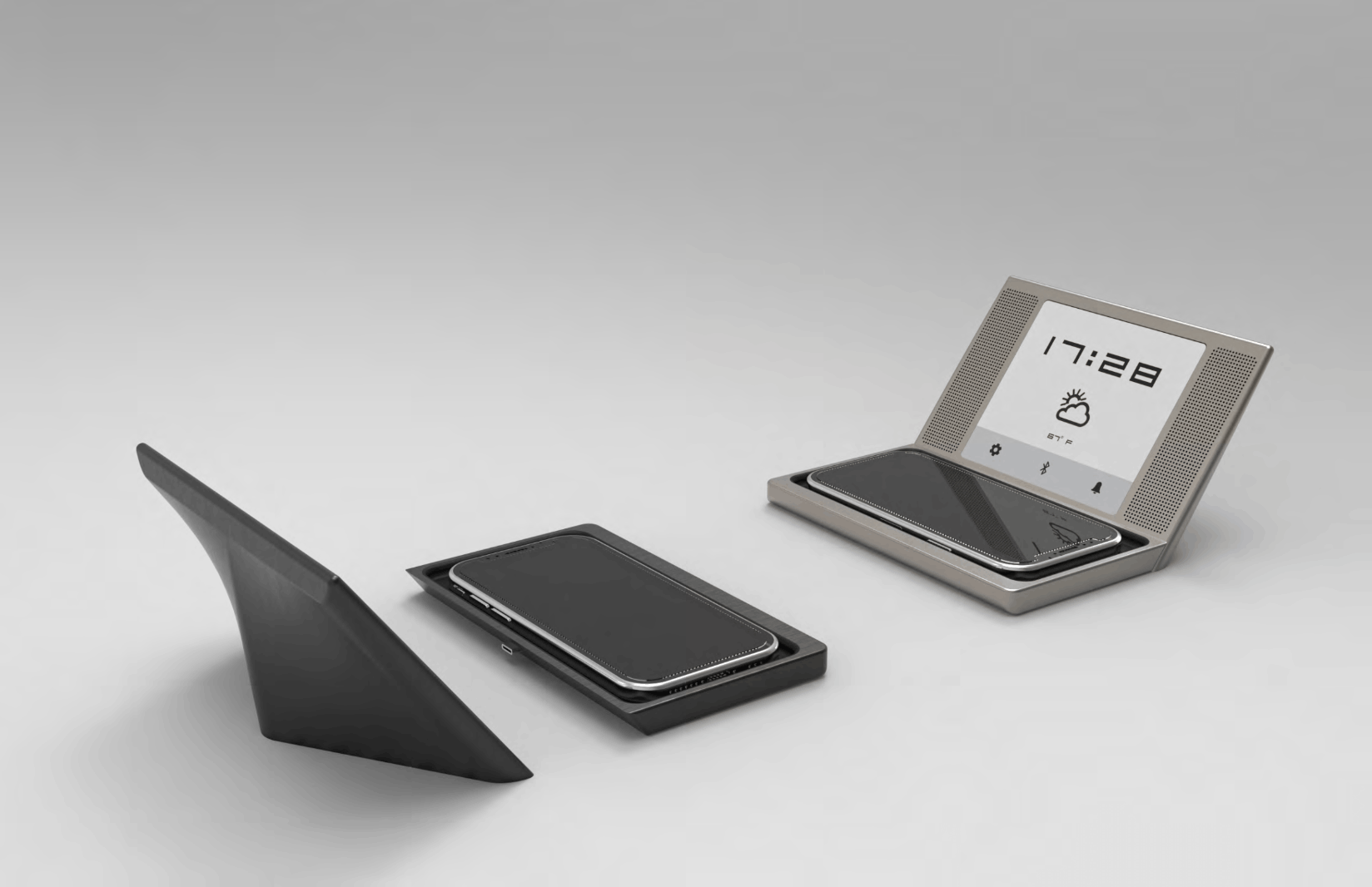
Furniture studies, lighting concepts, physical models, consumer-electronics concepts, and spatial work from the same period.
Across the work
Observe
Study how people behave around existing products, environments, and constraints.
Translate
Turn research and technical requirements into clear design criteria.
Prototype
Use sketches, CAD, mock-ups, and physical models to expose weaknesses early.
Refine
Balance usability, form, material, manufacturing, and system-level tradeoffs.
Industrial design gave me a foundation in making ideas tangible. It taught me to examine how products are held, assembled, manufactured, maintained, and placed within larger environments. That physical perspective continues to shape how I design digital products and complex systems today.